
Electric Vehicle Manufacturing
Serving as a steadfast pillar in the electric vehicle manufacturing industry, we have the comprehensive experience needed to provide you with personalized solutions that optimize and automate your processes.

Serving as a steadfast pillar in the electric vehicle manufacturing industry, we have the comprehensive experience needed to provide you with personalized solutions that optimize and automate your processes.

Medical Comprehensive solutions for medical industry. Fast, flexible, and tailored to your business. The Medical and Pharmaceutical industries are among the most heavily regulated industries

Environmental Mobility Comprehensive solutions for automotive industry. Fast, flexible, and tailored to your business. Strategies for successfully implementing flexible lines in Automotive Manufacturing. Fortunately, manufacturing
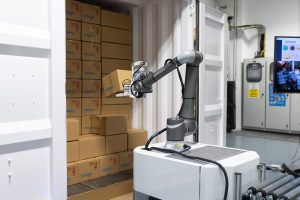
Logistics & Warehouse Automation Comprehensive solutions for logistics industry. Fast, flexible, and tailored to your business. The logistics industry involves consumer-related and operational challenges. Consumers’
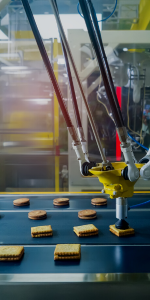
Food & Commodity Comprehensive solutions for food & commodity industry. Fast, flexible, and tailored to your business. OMRON is a trusted global packaging partner. Packaging
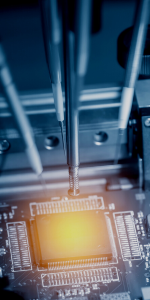
Talk To An Expert Digital Devices Comprehensive solutions for digital devices. Fast, flexible, and tailored to your business. With an innovative solution that provides ultra-fast